
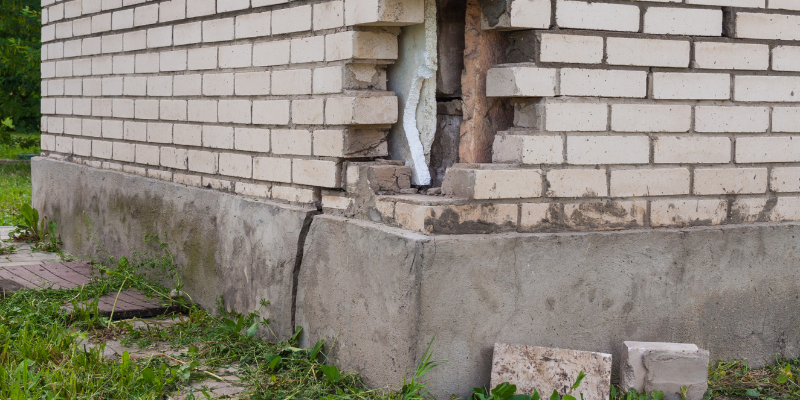
Your doors stick in July. The floors in the back bedroom have developed a soft, rolling slope that wasn’t there three winters ago. And last spring, after those heavy rains came through the Piedmont, you noticed a long diagonal crack running from the corner of a window down toward the floor. You already know what it means. Selling a house with foundation issues in North Carolina is the question you have been circling for a while.
Foundation problems don’t sneak up on you all at once. They announce themselves slowly, and by the time most North Carolina homeowners are ready to sell, they’ve spent months or years trying to decide what to do about them. This article is written for exactly that situation. You’ve got a house with foundation issues, you need or want to sell, and you’re trying to figure out your real options, not just the glossy ones.
Your Real Options as a Seller in North Carolina
Sit down across from me, and I’ll tell you this straight. You have more paths forward than you probably think you do. A foundation problem is not a death sentence for a home sale, and in North Carolina’s current market, it does not automatically mean selling at a catastrophic loss.
In June 2026, the median home sale price in North Carolina was $382,500, according to NC REALTORS. A meaningful number like that matters because even a home with structural issues often carries real equity, especially if you’ve owned it for more than a few years. The market has cooled compared to the pandemic sprint, but demand hasn’t evaporated.
A while back, I got a call from the adult children of an elderly homeowner over in Hope Mills. Their father had passed in late winter, they’d all flown in on a Thursday, and one of them had just accepted a job transfer that required a cross-country move in five weeks. The house had visible bowing in the crawl space walls and a crack in the block foundation that had been spreading for at least a decade. We walked through it on a Saturday afternoon, gave them an honest assessment of what they were dealing with, and made an offer that week. They didn’t have to touch the foundation, the crawl space, or anything else. They were out of state before the transfer deadline, which is exactly the kind of outcome a cash buyer can make possible.
Your options as a seller essentially break down into three: repair before listing, sell as-is on the traditional market, or sell directly to a cash buyer. Each one makes sense for a different situation. We’ll walk through all of them.
If you’re unsure which option makes the most sense, Bright Home Offer can help you look at the situation without pressure. Whether you want to repair and list, sell as-is, or avoid repairs altogether, we can explain your options and provide a cash offer if a direct sale is the right fit.
What Causes Foundation Problems in North Carolina Homes?
Moisture under a house is common enough that inspectors flag it routinely, and the share with active foundation movement is smaller but still adds up to a lot of homes. In North Carolina, the causes are rarely mysterious.
Tree root intrusion is responsible for more foundation headaches than most sellers realize. The big hardwoods that make neighborhoods like Hayes Barton in Raleigh or Dilworth in Charlotte so beautiful are also drawing moisture from the soil in ways that create uneven settlement underneath slabs and crawl spaces. When a white oak’s root system extends 20 or 30 feet from the trunk, it’s pulling moisture from the same soil your home is sitting on.
Poor grading is another constant culprit. Many homes in the Triangle and Triad were built with adequate slope away from the foundation, but years of landscaping, soil erosion, and homeowner additions (patios, walkways, and extended flowerbeds) have reversed that grade. Water now pools near the foundation walls instead of draining away.
Plumbing leaks under the slab or near the foundation cause soil erosion that no one notices until the settling is already visible. A crack in your kitchen wall may have started with a slow drip in a pipe under the floor that went undetected for years. This is especially common in homes built before 1960, when galvanized steel supply pipe was standard in much of North Carolina’s older housing stock. In my experience, those pipes don’t announce themselves before the damage is done.
Common Foundation Defects Found in North Carolina Homes
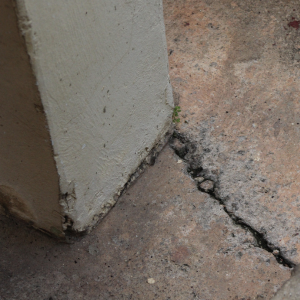
Buyers assume a foundation crack means the whole structure is compromised. This assumption costs sellers money before anyone has even looked at the place, because a hairline shrinkage crack in a concrete wall is a fundamentally different problem from a bowing block foundation wall.
Shrinkage cracks form as concrete cures and are generally cosmetic. Horizontal cracks in block foundation walls are the ones that keep structural engineers up at night, because they indicate lateral soil pressure pushing the wall inward. Stair-step cracking along mortar joints in a block wall typically signals differential settlement, where one corner of the foundation is sinking at a different rate than the rest (I’ve seen this in older clay-soil lots).
Basements turn up in North Carolina mostly in the Piedmont and the mountains, and they are the minority here, around 15 percent of homes. Repairs for these structures can run from $2,500 up to $25,000 depending on severity. Crawl space foundations, which dominate the Piedmont and coastal plain, present their own set of issues: sagging floor joists, deteriorating wood beams, moisture-driven mold growth, and failing support piers. Slab foundations, more common in newer construction around the Charlotte metro and along the coast, crack when the soil beneath them shifts unevenly (and that movement is rarely minor).
Bowing foundation walls, where the structure actually curves inward under soil pressure, are one of the more urgent defects. Mortgage lenders often won’t finance a home with active wall movement, which immediately shrinks your buyer pool to cash buyers. That’s not a disaster. It’s information you need to have before you price.
If you’re dealing with foundation issues and don’t want to take on costly repairs, contact us to discuss a cash offer for your property. We’ll look at the condition of the home and give you a straightforward offer so you can sell without making repairs or waiting on a traditional buyer.
Professional Foundation Inspection: Do This Before Anything Else
A seller called me not long ago who had already accepted a contract on their home in Sanford. The buyer’s inspector flagged a crack in the crawl space wall, and suddenly the sale was on shaky ground with no independent assessment to stand on. The seller had no idea what the repair would cost, no engineer’s report, and no leverage.
Get the inspection before you list. A structural engineer’s evaluation costs money, but it puts you in the driver’s seat. A foundation evaluation by a structural engineer runs around $400 to $1,500 in North Carolina. Bigger repairs often need a licensed professional engineer to sign off on the plan and method, depending on the scope and your local inspections department. The same report that costs you a few thousand dollars can actually calm a nervous buyer or help you justify your asking price with documentation rather than guesswork.
A general home inspection is not the same as a structural evaluation. Home inspectors note visible symptoms; structural engineers diagnose causes. If your inspector writes “possible foundation movement, recommend further evaluation,” that language will spook buyers without giving anyone actionable information. An engineer’s report reveals the true situation you’re dealing with.
What’s more, having a report in hand means you’re not negotiating blind when a buyer’s agent tries to use a crack in your crawl space wall to knock tens of thousands off your price. Documentation changes the conversation. It shows what the problem is, what it isn’t, and what the remedy costs. This is how you protect yourself at the negotiating table.
How Much Does Foundation Repair Cost in NC?
Repair pricing in North Carolina is more variable than most contractors admit upfront. Most 2026 foundation projects run $2,224 to $8,134, with the typical homeowner spending nearly $5,175. A single crack injection costs a few hundred dollars, while full perimeter pier installation on a home with widespread settlement can pass $30,000 before engineering and permitting.
Permits are usually minor, roughly $75 to $150 for a foundation repair, though the formula varies by county. Some charge a flat rate, others take a percentage of project value, and that line often gets left off the first estimate.
Standard homeowner policies usually exclude foundation damage from settling, soil movement, or slow deterioration, since insurers treat those as maintenance rather than a sudden event. A burst pipe is different and may be worth a claim. Ask your agent before you assume you’re covered.
Pier systems are one of the most common foundation repairs across North Carolina. A typical job takes five to ten piers, which lands most homeowners in the thousands and up. Get two or three offers from licensed contractors before you sign anything.
North Carolina Disclosure Laws for Foundation Problems

Skip the disclosure, and you may end up in court defending a fraud claim years after closing. That’s the plain reality.
Under North Carolina General Statute Chapter 47E, sellers of residential property must complete the Residential Property and Owners’ Association Disclosure Statement, form REC 4.22, detailing known conditions and defects. Sellers are expected to report any known problems with the structural elements of the home, including the foundation. If you’re dealing with a house with water damage, visible cracks, settling, or other water damage, it should be clearly described, even if prior repairs have already been completed.
The form gives sellers three choices for each question: yes, no, or “no representation.” Marking “no representation” isn’t the same as saying there’s no problem. A seller must disclose material facts when those facts are only known to the seller and not discoverable through reasonable buyer diligence; if a material latent defect exists that only the seller knows about, disclosure is mandatory.
Failure to disclose is one of the most common claims filed against sellers and their agents, which makes the disclosure statement one of the most consequential documents in any home sale. Being honest protects you legally, even when honesty feels like it puts you at a disadvantage. The form comes from the North Carolina Real Estate Commission, and your agent should know how to complete it correctly, not just that it exists.
Sellers who can’t account for what they know, because they genuinely inherited the property without living in it, may have more flexibility. But if you’ve lived in the house and watched the crack grow, you know. Disclose it. If you want to sell your house fast in North Carolina, contact us to discuss your options.
How Foundation Issues Impact Property Values in NC
Appraisers don’t look at a foundation crack the same way a nervous buyer does, and sellers can use that gap to their advantage.
Repair industry estimates put the loss on a home with foundation problems at 10 to 15 percent of market value, and that assumes an unresolved, undocumented problem. A repaired foundation with an engineer’s sign-off and a transferable warranty often recovers much of that lost ground. The documentation matters as much as the repair itself.
Appraisers doing work for mortgage lenders follow specific guidelines. Foundation issues can trigger a “subject to repairs” condition on an appraisal, reducing the appraised value or requiring completed repairs before financing can proceed, and some lenders will deny the mortgage entirely for homes with known foundation issues. The real problem is this: it’s not just about value; it’s about which buyers can even purchase the home. FHA and VA loans carry strict property condition standards. A buyer using that financing usually cannot close on a home with active foundation defects until the repairs are done, or unless they switch to a rehab loan.
Cash buyers, including real estate investors, aren’t constrained by lender requirements. The foundation-problem market and the cash-buyer market overlap so heavily in places like Greensboro, Fayetteville, and Raleigh for this very reason.
Can You Sell a House with Foundation Problems in North Carolina?
I used to think that foundation problems were always the seller’s problem to fix before listing. I was wrong.
The answer is yes, you can sell as-is, and plenty of sellers do. As of June 2026, the median days on market in North Carolina was 58 days for typical listings. Homes with foundation issues tend to sit longer on the traditional market, sometimes two to three times the state median, because the buyer pool shrinks when financing gets complicated. An extended timeline has real costs: carrying costs, utilities, taxes, and the ongoing stress of maintaining a property you’ve already decided to leave.
Do conventional buyers walk? Many do, especially first-timers. But investors, house flippers, and direct buyers who specialize in distressed properties are active across North Carolina, from the Research Triangle to the Sandhills. Cash buyers like us buy homes in as-is condition, including properties with foundation concerns, and we don’t require repairs as a condition of the offer. If you’re looking for a company that buys homes in Raeford and other cities in North Carolina, that can be one option to consider. For sellers who need speed or simply don’t want the repair project, that path is completely legitimate and, in my experience, closes with far less back-and-forth than a traditional sale.
The sale price will reflect the condition. That’s math, not punishment. Repairs may not net you more money than selling now at a fair as-is price, given the time, cost, and uncertainty involved.
Should You Repair First or Sell As-Is in North Carolina?
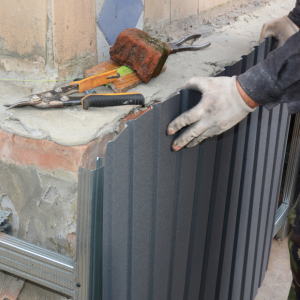
A seller in Durham had taken three contractor offer on a pier repair that ran between $18,000 and $26,000. After talking through the numbers, they realized the neighborhood comparable sales showed a spread of only $22,000 between a fully updated home and their property in its current state. The math didn’t support the repair.
This situation plays out more than most real estate agents will volunteer to discuss, because agents have an incentive to list at the highest possible price. Repairing before listing makes sense when two conditions are both true: the repair cost is clearly less than the value it adds, and you have the time and capital to front it. When either condition is missing, selling as-is deserves serious consideration, and in my experience the missing piece is usually the capital, not the time.
Repairs can also generate surprises. Contractors open walls or dig beneath piers and find secondary damage that wasn’t priced into the original offer. Selling as-is transfers that risk to the buyer. For sellers in estate situations, tight timelines, or financial strain, that transfer of risk has real value.
One thing most sellers get wrong: they assume buyers always demand a price reduction equal to the repair cost. Sophisticated cash buyers, especially those buying for long-term rental or renovation in markets like Chapel Hill, Apex, or Mooresville, will price based on their own repair estimates rather than demanding a dollar-for-dollar concession.
Steps to Sell a House with Foundation Problems in NC
What does the actual process look like, start to finish? Step one is getting an independent structural evaluation before any conversation with buyers or agents. The report is your foundation for everything else, so to speak. It tells you the severity, the likely remedy, and the cost range (and in my experience, the cost range is usually the number that surprises sellers most). Without it, you’re negotiating blind.
From there, decide whether to repair or sell as-is based on the math in your specific situation and neighborhood. A licensed real estate agent familiar with distressed properties in your market can help you run those comps and get a clearer picture before committing to anything. So can a cash buyer, though their interest is obviously in the as-is route.
If you sell as-is on the traditional market, price the home to reflect the condition. Overpricing a home with known structural issues wastes everyone’s time and tends to produce lowball offers after the listing has gone stale. Buyers smell a price reduction coming and wait for it.
If you go the cash buyer route, request offers from two or three buyers. A reputable buyer won’t pressure you into a fast decision, and comparing offers takes minimal time. Read the purchase agreement carefully, confirm the buyer isn’t relying on hard-to-close financing despite the “cash” label, and make sure the timeline works for you.
How Cash Buyers Handle Foundation Problems in North Carolina
“Won’t a cash buyer lowball me because I have no other options?” That objection comes up regularly, and it’s worth a direct answer.
Reputable cash buyers price based on after-repair value minus their estimated costs, not based on how desperate they think you are. If you’ve received multiple offers or have a structural engineer’s report in hand, you’ve got leverage even in a cash transaction. The sellers who get the worst sales are the ones who never got a second opinion.
Cash buyers skip all mortgage lender requirements, so foundation issues don’t trigger the “subject to repair” conditions that derail financed transactions. Having seen hundreds of homes with structural problems, they can give you a realistic picture of your options without the alarm that a first-time buyer’s agent might inject into the process. If you’re looking for cash house buyers in Durham and other North Carolina cities, you can compare your options and see what a cash offer looks like before deciding how you want to sell.
reapprovals.Cash sales also close faster. Traditional listings with foundation issues tend to drag on through inspection periods, repair negotiations, and lender re-approvals. A cash sale can close in two to three weeks in many cases, which has genuine value if you’re carrying two mortgages, dealing with an estate, or simply done with the uncertainty.
Frequently Asked Questions
Is It Hard to Sell a House with Foundation Problems?
Harder than selling a move-in-ready home? Yes. Impossible? Not even close. The traditional market gets complicated because many buyers rely on mortgage financing, and lenders can refuse to fund purchases when an appraisal flags active structural problems. Your buyer pool shrinks, and the sale can take longer than the NC median of 58 days as of June 2026. Selling directly to a cash buyer sidesteps the financing bottleneck entirely, and that’s often the fastest, cleanest path for sellers who don’t want to manage repairs first.
Do Sellers Have to Disclose Foundation Issues in North Carolina?
Yes. North Carolina’s Residential Property and Owners’ Association Disclosure Statement, required under General Statute Chapter 47E, specifically asks about structural conditions, including the foundation. If you’re aware of cracks, settling, moisture intrusion, or prior repairs, those facts belong on the form. Trying to hide a known defect exposes you to fraud and misrepresentation claims long after closing, and buyers nearly always find out, either through inspection, appraisal, or the first heavy rain after they move in.
How Much Do Foundation Issues Affect Home Value?
The impact depends heavily on severity and documentation. Unresolved foundation problems pull a home’s market value down noticeably, and active wall movement or widespread settlement pushes the discount higher still. A professionally repaired foundation with an engineer’s report and a transferable warranty often recovers most of that value. The hit is largest when sellers have done nothing and have nothing in writing to show a buyer or appraiser.
If you’re sitting with a house that has foundation issues and you’re not sure what move to make, you don’t have to figure it out alone. Bright Home Offer has helped homeowners across North Carolina work through exactly this situation, from quick estate sales to longer repair-and-list processes, and we’re happy to talk through what makes the most sense for yours. Contact us at (984) 983-4158. No pressure, no obligation. Just an honest conversation about your options.
Helpful North Carolina Blog Articles
- Selling A House During Divorce In North Carolina
- Do Sellers Pay Closing Costs In North Carolina
- Selling A Hoarder House In North Carolina
- Selling A Probate House In North Carolina
- How To Sell Your House In Foreclosure In North Carolina
- Can You Sell A House As Is Without An Inspection In North Carolina
- How to Sell a House with Foundation Issues in North Carolina
- How to Sell a Fire Damaged House in North Carolina
- How to Sell a House Without a Realtor in North Carolina
- How to Sell a Condemned House in North Carolina
- Sell House With Water Damage in North Carolina
- Selling Tenant Occupied Property in North Carolina
- Do i Need a Lawyer to Add a Name to a Deed
- Can you Sell a House with a Mortgage in North Carolina
- Documents Required for Selling Inherited Property in North Carolina
- Can I Sell my House and Still Live in it