
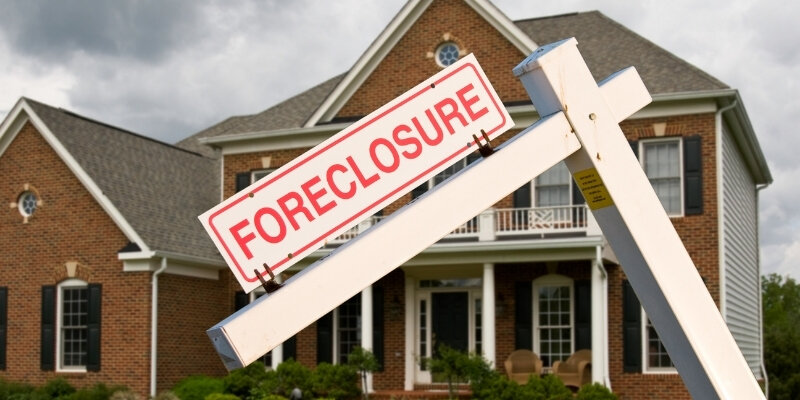
Your mortgage lender has sent the letters. Maybe a certified envelope sat on the kitchen counter for a week before you opened it. You’re not alone. From Durham to Fayetteville, from Hope Mills and Raeford to Sanford, homeowners across North Carolina face pre-foreclosure every single day, and those who wait the longest run out of options the fastest. Options exist right now before the auction date. Before the clerk’s gavel falls, knowing them before the clock runs out is the trick.
What Happens Before Foreclosure in North Carolina
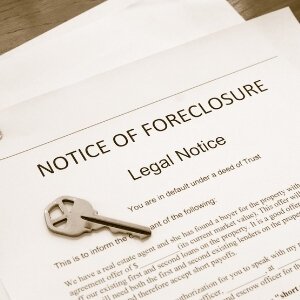
Federal law prohibits lenders from proceeding with foreclosure until a borrower is 120 days delinquent on payments. Most homeowners assume their lender can act after one or two missed payments. They freeze up in those early weeks and lose precious time. Those first four months are your widest window to negotiate, sell, or restructure the debt before foreclosure formally begins.
A lender must send a notice to the borrower at least 45 days before filing a notice of hearing. Getting that notice feels like a gut punch. It’s actually your signal to start moving. During this pre-foreclosure phase, the deed is still in your name. That matters more than most sellers realize, because it gives you negotiating options that disappear the moment the court gets involved.
Some time ago, I worked with three siblings in Cary. Their parents had passed and left a house with a mortgage that had gone unpaid for months. They thought listing with an agent was the right move. We watched two listings expire with zero serious offers while the foreclosure clock kept ticking. By the time they called me, the notice of hearing had already been filed. We still closed on time, but it was close. The garage, still packed with their father’s fishing gear and an old bass boat, came with the house exactly as it sat, tackle boxes, rods, all of it. Had they waited another two weeks, the option to sell wouldn’t have existed.
North Carolina uses a power of sale foreclosure. That means the lender doesn’t have to file a full lawsuit and win in court. Instead, the lender files paperwork with the Clerk of the Superior Court in the county where your home is located. No full trial means the process here can move faster than in many other states. That’s why early action matters so much.
Can You Stop Foreclosure Before It Goes to Court in North Carolina
A seller in Greensboro called me on a Tuesday, three weeks after I had ignored the first certified letter. By Friday, she had a cash offer in hand and a real path forward. Three weeks of avoidance almost cost her the house. She got out just before the window closed. Pre-foreclosure creates that window, but only if you use it before it shuts.
Once a notice of hearing has been filed, you still have options, but they narrow. Before that point, your strongest moves include contacting your lender directly about loan modification or forbearance, or working with a HUD-approved housing counselor available through the Consumer Financial Protection Bureau. Selling the property outright is a third path. A direct sale to a cash buyer is often the fastest of these three. It doesn’t depend on the buyer’s financing falling through at the last minute. Mortgage lenders will generally pause or withdraw a foreclosure filing once they receive confirmation that a sale is under contract and proceeding to close. I’ve seen this buy sellers two to three weeks of extra time.
Loan modifications take time. The lender reviews your documentation, checks your income, and decides whether to approve it, and servicers aren’t obligated to say yes. If your income has changed, approval is far from guaranteed. Selling the home lets you walk away with equity intact, or at least cuts the debt cleanly if you’re underwater. A short sale still requires the lender’s sign-off, so build in extra time there as well. Either outcome beats the credit damage that follows a completed foreclosure.
Bright Home Offer works with homeowners throughout North Carolina at exactly this stage, from Durham and Fayetteville to Hope Mills, Raeford, and Sanford. They can assess your situation quickly, give you a no-obligation offer, and help you understand whether a sale makes sense before the hearing date arrives.
How the North Carolina Foreclosure Court Process Works
Foreclosure hearings are held by the Clerk of Court or an Assistant Clerk of Court. Judges rarely hear these cases at all. The clerk’s authority is narrow: they can only rule on four specific legal elements, not on broader defenses.
A power of sale foreclosure starts when the trustee or substitute trustee files a notice of hearing with the clerk of the superior court in the county where the property sits, filed as a special proceeding. The notice of hearing must be served to the borrower not less than ten days before the hearing if served personally, or twenty days if posted on the property.
At the hearing, the court weighs four things: whether the debt is valid, whether the homeowner actually defaulted, whether the deed of trust allows foreclosure, and whether proper notice was given. If the lender proves all four, the clerk authorizes the sale. The sale date usually lands about 20 days after the hearing.
A clerk may postpone the hearing for up to 60 days if the residence is your principal home and there’s a good reason to believe additional time will resolve the delinquency. You have to request it directly. Showing up with a signed purchase contract is the most persuasive thing you can bring into that room.
North Carolina Laws That Affect Your Foreclosure Options
That power of sale process traces back to a specific clause in your deed of trust, a contractual right that lets the trustee sell the property on the lender’s behalf if you default. The procedure itself is outlined in Article 2A of Chapter 45 of the North Carolina General Statutes.
You probably signed that clause without reading it closely. Most residential mortgages in North Carolina carry this same provision. Practically speaking, the statutes drive most of the timeline, not a judge’s discretion. You can review the governing statutes through the North Carolina General Assembly’s online statute database.
North Carolina doesn’t give a former owner a general right to redeem the property once a foreclosure sale is finally completed. That’s the hard reality of NC law. Some other states give homeowners a formal redemption period of six months or more after a sale. North Carolina doesn’t. To preserve any remaining rights, an interested party must act fast, filing the appropriate motion or upset offer with the Clerk of Superior Court within that 10-day window. There’s no time to sit on it.
Selling before the auction date sidesteps all of that. A clean pre-foreclosure sale gives you control over the outcome. Waiting until after the sale leaves you dependent on a narrow statutory window that most homeowners aren’t financially positioned to exploit.
What Are Your Rights as a Homeowner in North Carolina Foreclosure

What happens to your equity once a notice of hearing is filed? The median home price in North Carolina sits around $384,000 as of mid-2026, leaving most homeowners heading into foreclosure with real equity at stake. That equity doesn’t disappear the moment a notice of hearing is filed. I’ve seen sellers walk away with significant checks. Equity belongs to you, and protecting it starts with knowing your rights. You have the right to sell before the sale ever happens.
Your right to sell the property remains intact right up until the foreclosure sale is finalized. Nothing in the process strips your ownership before that point. You can accept an offer, sign a purchase contract, and close with a title company just like any other seller. The closing just has to happen before the auction or before the upset offer period expires.
North Carolina law also lets borrowers pay just the overdue amount, the arrears, not the full loan balance, and bring the mortgage current before the sale date. Your county Clerk of Superior Court’s office can tell you the exact reinstatement figure and deadline for your case.
During the upset offer period, the borrower also has the right to pay the debt in full and redeem the property. Redeeming at that stage means paying the entire outstanding loan balance plus all sale costs, not just the missed payments. Most homeowners can’t come up with that lump sum. Selling to a buyer like Bright Home Offer before the auction date is often the more realistic path to protecting whatever equity remains from the sale.
What to Expect at a North Carolina Foreclosure Sale
A family in Fayetteville held onto hope that their lender would grant a modification, right up until Tuesday morning, when their property was called at the courthouse. They hadn’t opened the door to any other option. By 10:15 a.m., the property was sold to a bidder they’d never met. A company that buys houses in Fayetteville, NC, can often step in long before that morning ever arrives.
Sales must be conducted at the courthouse in the county where the property is located, between 10:00 a.m. and 4:00 p.m., and the property goes to the highest bidder. Lenders often open the bidding at the outstanding principal balance. Outside investors and cash buyers compete from there.
Once the foreclosure sale is conducted, there is a 10-day upset offer period in which other bidders may place a higher offer; each new upset offer starts a new round of bidding. Those 10 days begin the day after the sale date and include weekends and holidays. If the 10th day falls on a weekend or court holiday, the deadline extends to 4:59 p.m. the following business day.
After the upset offer period closes with no new offers, the sale is confirmed, and a deed is transferred to the winning bidder. At that point, the original owner’s interest is gone, and so is any equity above the sale price minus the debt and fees. Foreclosure auctions don’t reliably outperform a negotiated pre-foreclosure sale. Distressed properties often draw thinner bidding than a well-marketed listing would, and a courthouse crowd looking for a sale isn’t the same as a buyer competing on the open market.
How to Sell a House in Foreclosure in North Carolina
Selling before that auction date is almost always the better financial outcome. It’s more achievable than most homeowners realize, even partway through the foreclosure process.
Your first move is to get a realistic number for what your home is worth in its current condition. As of mid-2026, the median North Carolina home sits on the market around 65 days, up roughly two weeks from a year earlier. That’s meaningful context. If you list on the open market with an agent, you may not have enough time left before your auction date to complete a traditional sale. A cash buyer who doesn’t need lender approval can close in days, not months.
Start by getting a title search, or ask a real estate attorney to confirm there are no additional liens beyond your mortgage. Contact your lender and let them know you’re under contract. Most servicers will pause foreclosure activity once they see a legitimate sale in progress. Then work with a title company or attorney to handle the closing. North Carolina is an attorney state for real estate closings, meaning a licensed attorney must conduct the closing and handle the disbursement of funds.
Any proceeds after paying off the mortgage, lender fees, and closing costs belong to you. Closing costs on a direct sale to a cash buyer usually run lower than a traditional listing, since there’s no agent commission. Expect title fees and attorney fees. Your closing attorney can give you an exact figure based on your payoff amount.
Bright Home Offer, based in Durham, handles exactly these kinds of transactions across North Carolina, including as cash house buyers in Sanford, NC, and can move quickly when time is tight. They buy homes as-is, which removes the pressure of making repairs while you’re managing a stressful financial situation.
How a Real Estate Attorney Can Help with Your Foreclosure Case

Hiring an attorney after the upset offer period closes is too late to address most issues that an attorney can fix.
North Carolina is a power of sale state, and the defenses available at the Clerk of Superior Court hearing are narrow. Any defense outside those four elements must be brought in a separate Superior Court action, which can be expensive and difficult to win. An attorney who reviews your case early can spot procedural errors: how the lender served notice, whether your loan servicer followed proper loss mitigation steps, and whether the entity filing foreclosure even holds your note. Those defenses have to be raised at the right moment, or they’re waived.
Beyond the courtroom, a real estate attorney coordinates your pre-foreclosure sale. They handle title work, verify the payoff amount with the lender, communicate with the trustee, and make sure the deed transfers cleanly. A closing that leaves a lien unresolved or a payoff miscalculated can haunt a seller long after they’ve moved out.
Do not assume the lender’s attorney is looking out for your interests. They represent the lender. Their job is to complete the foreclosure efficiently and recover the debt. Your attorney’s job is to find every hour and every dollar of protection the law gives you. The North Carolina State Bar’s Lawyer Referral Service is a good starting point if you don’t already have someone you trust.
What North Carolina Homeowners Ask Most About Foreclosure Sales
The common expectation is that foreclosure moves like a slow-moving train and that there’s always more time. In practice, a 120-day federal waiting period is just the start. Notice requirements, a hearing, and a sale stack on top of it, and the combination can compress into a timeline that leaves sellers with weeks, not months, to act once they engage seriously.
I saw this play out with an heir in Apex. He’d inherited a property and was quietly paying two mortgages for almost a year, hoping the situation would sort itself out. The inherited home sat vacant on a corner lot, its single-car garage still packed with the previous owner’s woodworking tools. By the time he reached out, a notice of hearing had already been filed. We got him under contract before the sale date, and he walked away with equity instead of nothing. The lesson wasn’t about being in foreclosure. It was about asking for help before the options disappear.
Frequently Asked Questions
Is It Hard to Sell a House in Foreclosure?
Selling a house in foreclosure is genuinely harder than a standard sale, but not impossible. The main complication is timing. You’re working against a moving legal deadline while also coordinating with your lender, an attorney, and a buyer. A cash buyer who understands how foreclosure transactions work in North Carolina can streamline the process and close quickly enough to beat the auction date.
How Long Does It Take to Foreclose on a House in North Carolina?
The foreclosure process in North Carolina typically runs well past the 120-day mark from your first missed payment to the actual sale date. Federal law keeps the lender from even filing until day 120. After that comes the notice of hearing, the hearing itself, and roughly 20 more days until the sale, plus a 10-day upset offer period once it’s sold. Add it up, and most homeowners are looking at something closer to five months than four. That timeline is a floor, not a ceiling. Delays in court scheduling or lender processing can push it longer, but you shouldn’t count on extra time.
What Is the 120-day Rule for Foreclosure?
Federal law says a lender can’t officially move forward with foreclosure until you’re 120 days delinquent on payments, though there are a few narrow exceptions. Foreclosure can start sooner if the lender is joining the foreclosure action of a subordinate or superior lienholder, or if you’ve violated the due-on-sale clause. This rule gives you a meaningful window to explore alternatives like loan modification, refinancing, or selling before the formal process even begins.
Do You Have to Pay Capital Gains When You Sell Your House in North Carolina?
Most homeowners selling a primary residence won’t owe capital gains taxes. If you’ve lived in the home for at least two out of the last five years, you’re covered. You can exclude up to $250,000 in profit from federal capital gains tax, or up to $500,000 if filing jointly with a spouse. If any gain exceeds those thresholds, North Carolina’s flat income tax rate of 3.99% for 2026 applies to the portion above the federal exclusion. A tax professional can confirm whether your specific situation qualifies.
If you want to talk through your options without any pressure, we’re here. A quick conversation about your property and your timeline costs nothing, and it might open a path you didn’t know existed before foreclosure closes it. Contact us or reach out to Bright Home Offer whenever you’re ready.
Helpful North Carolina Blog Articles
- Selling A House During Divorce In North Carolina
- Do Sellers Pay Closing Costs In North Carolina
- Selling A Hoarder House In North Carolina
- Selling A Probate House In North Carolina
- How To Sell Your House In Foreclosure In North Carolina
- Can You Sell A House As Is Without An Inspection In North Carolina
- How to Sell a House with Foundation Issues in North Carolina
- How to Sell a Fire Damaged House in North Carolina
- How to Sell a House Without a Realtor in North Carolina
- How to Sell a Condemned House in North Carolina
- Sell House With Water Damage in North Carolina
- Selling Tenant Occupied Property in North Carolina
- Do i Need a Lawyer to Add a Name to a Deed
- Can you Sell a House with a Mortgage in North Carolina
- Documents Required for Selling Inherited Property in North Carolina
- Can I Sell my House and Still Live in it