
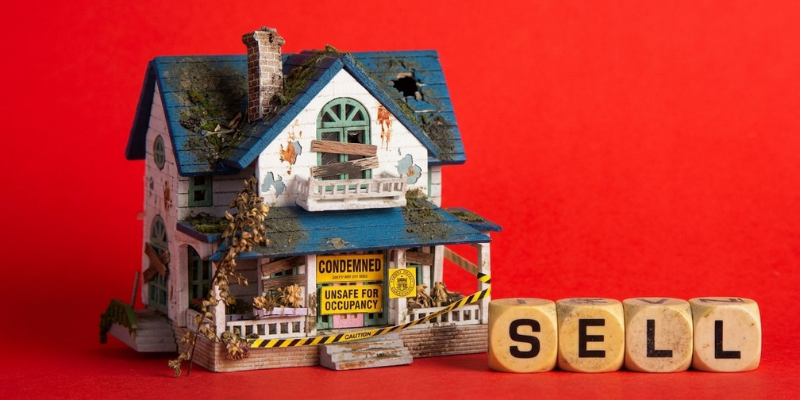
Most owners of condemned properties in North Carolina aren’t slum landlords. They inherited a house from a parent, got hit with a life event, or bought something cheap years ago and watched it slip beyond what they could fix. Then a condemnation notice lands, and the phone calls start. Can I even sell this? Who’d buy it? What happens if I sit on it?
Those are the right questions. You deserve straight answers.
Early last year, I worked with a retired couple near Fuquay-Varina paying two mortgages for almost a year. They’d inherited a family home, couldn’t face it, and kept writing checks on a house with a condemned placard on the door. We closed it out, and they finally got to grieve the house instead of managing it from a distance.
Plenty of North Carolina homeowners land in that exact spot. Not criminal neglect. Just a hard property at a hard moment.
What a Condemned House Really Means in North Carolina
Condemnation under the state’s housing laws isn’t one uniform event. Local building departments and housing authorities inspect a property and rule that it fails minimum safety codes. Triggers vary. A crumbling foundation in a Burlington bungalow, severe mold in a Wilmington rental, and a failed septic system on a rural property in Catawba County. What they share is a legal finding that the structure is unfit for people to live in.
Once the order is issued, occupants have to move out. Nobody can legally live there until the violations are fixed and a new certificate of occupancy is issued. Condemnation doesn’t erase your ownership, which surprises many sellers. You still hold the title.
North Carolina’s minimum housing code sits in Chapter 160D of the General Statutes. It lets local governments inspect, cite, and eventually order demolition of dwellings that can’t be brought up to code. That same statute says when a demolition order is issued, affordable housing organizations that asked for notice must get it, plus at least 45 days to negotiate before a public officer can tear anything down. That window is real-time you can use.
Condemnation is not eminent domain, and the difference matters. There, the government takes your title for a public purpose and pays fair market value. A building code condemnation leaves you owning the property and on the hook for fixing it.
What Happens If You Ignore a Condemnation Notice
A hundred dollars a day doesn’t sound ruinous at first. By month three you’ve stacked nine thousand dollars in fines onto a property already costing you taxes and insurance. Cities can impose civil penalties for unresolved code violations under Chapter 160D, and in practice many levy fines in the range of $50 to $500 per day once a re-inspection confirms nothing got fixed.
It’s a predictable sequence. First, a written notice naming the violations and giving you a cure period, commonly 30 days for standard issues and less for urgent hazards. Then a re-inspection. If the problems remain, the daily fines start. Keep ignoring it, and condemnation and a demolition order may follow.
Cities can also drop a lien on the property for unpaid fines and enforcement costs. That lien rides the title and must clear before or at closing. Worst case, the municipality demolishes the structure itself and bills you, folding that cost into the lien. You’d own a bare lot with a growing government debt on it.
One more risk rarely comes up: adverse possession. A neglected, condemned property that draws squatters can turn into a title headache if it sits for years, and North Carolina’s adverse possession rules are what open that door. Your county attorney can spell out the thresholds. Doing nothing isn’t neutral. Every month costs you something.
How North Carolina Law Treats the Sale of Condemned Properties
Owners often ask me whether selling is even legal. It is. No North Carolina law stops you from transferring a property that carries active code violations or a condemnation order. Condemnation restricts occupancy; it doesn’t freeze the title.
What you must do is disclose. North Carolina sellers fill out a Residential Property and Owners’ Association Disclosure Statement covering structural conditions, hazards, mechanical systems, and other known material facts. A condemnation order is a material fact, plainly. Hiding it invites serious legal liability, so skipping that line isn’t worth it. A real estate attorney can walk you through the disclosure form.
Heirs make it messier. Under North Carolina probate law, title to real estate with no will vests in the heirs the moment the owner dies, but an administrator can’t just sell it. Selling to pay estate claims usually means a special proceeding before the Clerk of Superior Court where the property sits, formal notice to every heir, and a court order authorizing the sale. Condemnation status doesn’t block that sale, though any municipal liens still have to be settled, and it usually closes as-is. If the heirs are scattered and haven’t spoken in years, the process can outrun the demolition deadline. Bring in an attorney early.
Can You Sell a Condemned House in North Carolina?
Yes, without any asterisk.
A condemnation order narrows who’ll buy and what they’ll pay. It doesn’t strip your right to sell. You’re transferring land and whatever structure sits on it, not a livable home. That distinction is what allows the sale to go through.
Your buyer pool shrinks to two types: people with cash to renovate and people with cash to level the structure and build. Neither is likely to use a normal mortgage, since lenders won’t underwrite against active code violations and a condemnation order. If you’re selling a house with a mortgage, you still have to account for the outstanding loan balance at closing, even when the property itself can only attract cash buyers. From the day that placard goes up, your market is essentially cash only, and the price reflects the land and its potential rather than a finished house.
Why Traditional Buyers Won’t Touch a Condemned Property
List a condemned house on the open market, and you’ll burn months on a property the market can’t absorb. Retail buyers want a place they can move into, one that passes inspection and can be insured. A condemned property fails both tests before anyone reaches the interior photos, which is why most listing agents pass too.
Even fixer-upper buyers hit a wall. Their lender won’t approve a mortgage, which knocks out most buyers in any North Carolina market. Homes across the state sit around 65 days on the market under normal conditions as of mid-2026, per statewide MLS figures. A condemned listing can sit far longer, racking up fines, and still never find a buyer who can close.
Insurance is the other trap. Most insurers won’t cover a condemned structure, so a financed buyer is stuck. No loan without insurance, no insurance until the condemnation clears. Cash buyers skip it.
| Your path | Who can actually close | Realistic timeline | What it costs you |
|---|---|---|---|
| Repair, reinspect, then list. | Any financed retail buyer, once a new certificate of occupancy is issued | Months of permitting and construction, then the normal listing window | Full repair cost out of pocket, plus taxes, insurance, and any daily fines still running |
| List it as-is on the open market. | Cash buyers only, since no lender will underwrite it | Open-ended, and many of these listings never close | Agent commission, months of carrying costs, and fines that keep accruing |
| Sell directly to a cash buyer. | Investors, developers, and direct home buyers | Weeks, limited mainly by title work and lien negotiation | A price that reflects land value, repair cost, and the liens attached |
| Do nothing. | Nobody | Until the city demolishes the structure and bills you | Daily fines, a growing municipal lien, and eventually an empty lot with debt on it |
Traditional listings make sense only in a narrow case. The violations are minor, the owner can pay to remediate first, and the location is strong enough to reward the effort. Fix the issues, pass re-inspection, pull a fresh certificate of occupancy, and the broader buyer pool opens back up. Most of the time, though, you’re selling to investors.
Who Buys Condemned Houses in North Carolina

A Greensboro landlord once called me about a rental he’d inherited from his father. Tenants had come and gone for two years, then repeated citations, and finally a condemnation notice with a stack of bills he couldn’t climb out of. That’s the common profile. Not someone hiding anything, just someone who ran out of road.
Buyers for these properties fall into a few camps. Residential real estate investors who rehab, resell, or hold as rentals are the most common. They price repairs against the land value, and if the math clears their exit, they buy. Developers hunt cleared lots to demolish. Smaller cash home buyers, including local operations like Bright Home Offer, focus on exactly this kind of property. The ones that need work, carry liens, and belong to owners who want certainty on price.
Non-profit housing groups appear in some counties, too. The state must notify them when a demolition order is pending, which is where their negotiating window comes from. Some run grant-funded rehab programs and take on houses a private investor couldn’t fix at a profit.
What Cash Buyers Look for in Condemned Houses
Sellers often expect the offer to hinge on how the inside looks. It hinges on three others: the land value, the cost to bring the structure up to code or clear the lot, and what the property sells or rents for once the work is done.
A cash buyer runs the math. They start with an after-repair or after-demolition value, subtract the cost to get there and their margin, and whatever’s left is the offer. The number climbs when the lot is generous, land values are rising, the framing, foundation, and roof structure are salvageable, and there’s no asbestos or lead to remediate. Hazardous materials trigger environmental cleanup, so if your property has them, say so upfront. Buyers here already know how to price it, and hiding it only blows up the sale late.
Condemnation Patterns Across North Carolina Cities
“This issue isn’t a big-city problem,” some sellers tell me. “My house is in a small town.” Condemned properties turn up everywhere in North Carolina, though, and how they’re handled tracks the local code enforcement office, not the population.
Charlotte’s code office works a heavy caseload, and older neighborhoods like Grier Heights, Druid Hills, and Enderly Park carry aging housing stock that keeps citations flowing, which keeps cash home buyers in Charlotte busy with exactly these files. Raleigh’s median home price sits near $425,000 as of mid-2026, so land in desirable zip codes holds real value even under a condemnation order. Durham, Rocky Mount, and Kinston all hold sizable inventories of older housing in disrepair. In Durham, especially, owners in a hurry often look first at how to sell their house fast in Durham, NC, before sinking money into repairs.
The Sandhills run the same play at a lower price point. Fayetteville carries a big stock of mid-century houses and rentals that keep enforcement busy, so owners there often start by looking for cash home buyers in Fayetteville. In Hope Mills, Raeford, and Sanford, one vacant house on a decent lot still draws investors because the land absorbs the cost of clearing the structure.
Western North Carolina reads differently. Around Asheville, a tight market has kept land values firm, even on distressed properties. Smaller cities like Hickory and Statesville have active investors chasing rehab work at lower entry prices.
The thread I keep seeing: the closer a property is to a growing job center, a university, or a strong rental market, the more buyers surface. A condemned house ten minutes from UNC-Chapel Hill beats one on the edge of a shrinking rural county.
How to Price a Condemned Property in North Carolina

An owner in High Point expected the condemned house to price off neighborhood comps. Once we framed the numbers the way buyers see them, the sale came together fast.
Pricing starts with land value, not structure value. Pull recent sales of comparable lots sold as teardowns or vacant land. That’s your floor. Then add back whatever the structure contributes. If the bones are solid enough to renovate instead of demolish, the demolition savings factor in, and those run into the tens of thousands, depending on size and hazmat. Asbestos alone can double it.
Then layer in the liens. Municipal fines, demolition orders, and unpaid enforcement costs get paid off at closing or subtracted from the price. A buyer won’t eat those on top of a market-rate offer. Most want the title clear or the price cut to match the debt.
Overpricing is the mistake I see most here. The goal isn’t what the house would fetch fixed up. It’s the best available offer from buyers who can actually close, plus an end to the daily fines.
What to Do Before You List a Condemned House for Sale
Are the municipal liens against this property current and documented? Most sellers can’t answer on the first call, and it’s the first thing any serious buyer asks.
Pull the full citation history from your city or county code enforcement office first. You want every violation, fine, and recorded lien in one place. Have this ready before you talk price:
- The full citation history from code enforcement, with the date each violation was issued.
- Written lien payoff amounts from the clerk’s office or municipal finance department.
- The condemnation order itself, plus any demolition notice and its deadline.
- Deed and title information, including anyone else named on the title.
- Estate paperwork, if the owner has died, like the will or letters of administration.
- Any inspection or hazmat reports on asbestos, lead paint, or mold.
Your county clerk’s office can confirm current lien status and exact amounts. Skip that, and you risk the sale collapsing at closing when a lien nobody counted on surfaces.
Get a real estate attorney involved. Not every condemned sale needs one, but an estate, multiple heirs, a demolition deadline, or a tangled title does. An attorney costs far less than a sale that falls apart after you’ve committed to a buyer.
If you suspect hazardous materials, find out before the buyer does. Asbestos in old floor tiles, lead paint in pre-1978 construction, and mold from water intrusion. Each one moves what a buyer will pay, and surprises during due diligence kill sales.
Bright Home Offer can walk through a property in essentially any condition and give you an honest read on what we can offer and why. That kind of direct conversation, before you’ve committed to any particular path, is exactly the right way to understand your real options.
How the Cash Sale Process Works for Condemned Properties
A clean cash transaction on a condemned property can move faster than most sellers expect. When the paperwork is in order and the liens are documented, nothing needs to drag. It’s the area where cash home buyers in North Carolina work every week.
Take an owner in Kannapolis carrying a condemned rental for two years. By the time we talked, the city had started the demolition clock. We made a cash offer covering the liens and the cleanup; she accepted, and we closed before the demolition timeline became a problem.
The steps are standard. A cash buyer visits, reviews the condemnation notice and citation history, sizes up the structure and land, and makes an offer. No financing contingency, no appraisal, no lender underwriting anything. Once both sides agree on price, a title company or real estate attorney runs the title search, clears the liens through payoff or seller credit, and sets the closing.
Closings here can happen in weeks. Title work and any lien negotiation set the pace, and a motivated seller often finishes before a traditional listing draws its first showing. NC REALTORS data shows the broader market drifting toward longer days on market through 2026, with the statewide median holding near $375,000. For a condemned property, the cash route skips that retail timeline and hands the seller certainty a listing can’t match.
Frequently Asked Questions
How Much Is a Condemned House Worth?
A condemned house is priced mostly on land value, not the structure, since nobody can legally occupy it, and it may have to come down. The number depends on parcel size, local land demand, the liens attached, and whether any part of the structure is worth saving. Near growing job centers, the land alone can mean something. In softer rural markets, the price is simply the raw lot value minus the demolition cost.
Can You Legally Live in a Condemned House?
No. A condemnation order forces occupants out, and no one can legally live there until the violations are corrected and a new certificate of occupancy is issued. Staying put invites enforcement action and piles liability onto the owner. The limits fall on occupancy, not ownership, so you keep the title and the right to sell.
How Do You Get a House Out of Condemned Status?
Reversing condemnation means fixing every cited violation, passing a re-inspection, and getting a new certificate of occupancy. The exact path depends on what triggered the order, so start with the full citation list from code enforcement. Minor structural repairs or system swaps are manageable. Severe foundation failure, widespread mold, or hazardous materials can cost more to fix than the repaired house would be worth. Your county building department can map the steps.
What Is the Difference Between Condemned and Uninhabitable?
“Uninhabitable” is a loose, informal label. A property can be unlivable without ever getting a formal order. Condemnation is a specific legal status a government authority issues after an inspection, and it triggers real obligations: mandatory vacancy, a compliance timeline, and possible fines or demolition if you don’t comply. A house can be in rough shape without being condemned. Once the order lands, the stakes get real.
Selling a condemned house in North Carolina isn’t easy, but it’s a long way from hopeless. Real options exist, real buyers exist, and the only losing move is to sit still while the fines climb. If you’d like to talk through where your property stands and what a sale might look like, reach out to Bright Home Offer. No pressure, just a straight conversation with people who’ve handled this exact situation before.
Helpful North Carolina Blog Articles
- Selling A House During Divorce In North Carolina
- Do Sellers Pay Closing Costs In North Carolina
- Selling A Hoarder House In North Carolina
- Selling A Probate House In North Carolina
- How To Sell Your House In Foreclosure In North Carolina
- Can You Sell A House As Is Without An Inspection In North Carolina
- How to Sell a House with Foundation Issues in North Carolina
- How to Sell a Fire Damaged House in North Carolina
- How to Sell a House Without a Realtor in North Carolina
- How to Sell a Condemned House in North Carolina
- Sell House With Water Damage in North Carolina
- Selling Tenant Occupied Property in North Carolina
- Do i Need a Lawyer to Add a Name to a Deed
- Can you Sell a House with a Mortgage in North Carolina
- Documents Required for Selling Inherited Property in North Carolina
- Can I Sell my House and Still Live in it