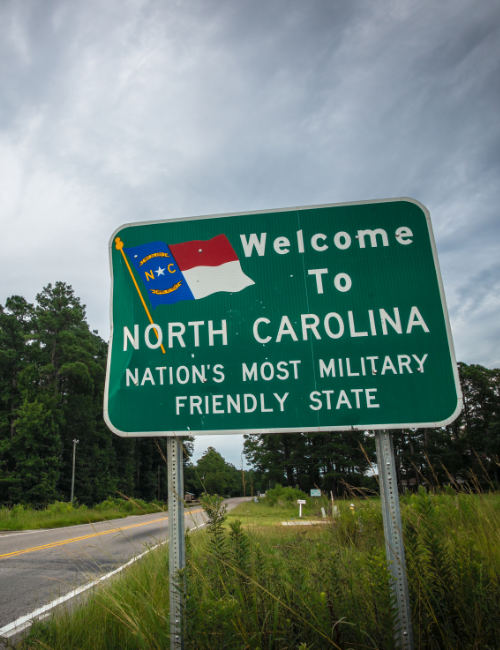
Most sellers call me after they’ve already made the decision. They’re not asking whether to go FSBO; they’ve decided, and they want to know what comes next. Starting there makes sense, because selling without a listing agent in North Carolina is genuinely possible if you go in with both eyes open. Miss a disclosure deadline or misprice by even 8%, and the savings you were counting on can disappear before you get to closing.
This guide covers what you actually need to know, from pricing strategy and required paperwork to closing day logistics, and where selling on your own stops making sense.
Can You Sell a House Without a Realtor in North Carolina?
Yes, you can. North Carolina doesn’t require a license to sell your own house. You can price it, market it, negotiate, and sign the contract. What you can’t do is have an unlicensed person negotiate or draft contracts for you.
One rule trips up almost every out-of-state FSBO seller. North Carolina treats closings as the practice of law, so only a licensed NC attorney can conduct the closing, prepare the deed, certify title, and disburse funds. Title companies can’t run closings here as they do in Florida or Texas. You’ll have an attorney involved no matter how you sell.
Two disclosure forms are mandatory, and the buyer has to have them no later than when they make an offer. One is the Residential Property and Owners’ Association Disclosure Statement. The other is the Mineral and Oil and Gas Rights Mandatory Disclosure Statement. Miss them, and the buyer may be able to cancel the contract without penalty, and could get back due diligence money, earnest money, and costs like inspection and attorney fees.
The Owners’ Association portion catches sellers off guard. If your property sits in an HOA, disclose current dues, pending special assessments, and any pending litigation. Buyers in HOA communities often ask for the full association documents during due diligence, including meeting minutes and reserve fund statements. Have them ready before you list. FSBO works in North Carolina. Homeowners do it every year in Charlotte, Durham, Asheville, Wilmington, and across the rural Piedmont. The process rewards preparation and punishes improvisation.
If you’d rather skip the listing process, Bright Home Offer can make you a straightforward cash offer for your North Carolina home. See what your home could be worth as-is, with no repairs, agent commissions, or obligation to accept.
How Much Money Do You Save Selling Without a Realtor in North Carolina?
Skip the listing agent, and you skip the 2.5% to 3% listing fee. The buyer’s agent still gets paid, though, especially if you want buyers with financing.
North Carolina’s average listing commission is about 2.80%, with total realtor fees averaging 5.53%, per a February 2026 Clever Real Estate survey. Cut the listing side, and you keep roughly half, often over $10,000. Now the costs FSBO doesn’t touch. Seller closing costs here can reach 10% of the sale price before any commission: title fees, excise tax, attorney, prorated property taxes, maybe an HOA transfer fee.
Excise tax is $1 per $500 of the sale price, so $500 on a $250,000 home. Agent, FSBO, or cash buyer, same bill. An attorney is optional for sellers in this state. Hire one anyway. Rates average $254 per hour, and many firms quote a flat $750 to $1,250 for a clean closing. The buyer’s attorney represents the buyer. Period.
Budget for the rest: photography $200 to $400, flat fee MLS listing $300 to $500, partial staging $500 to $1,500, pre-listing inspection $300 to $450. Net savings on a mid-priced North Carolina home usually land between $8,000 and $14,000. That’s real money. Whether it’s worth 60 to 90 hours and managing the sale yourself is your call.
What Are the Alternatives to Selling Without a Realtor in North Carolina?

For a long time, I thought of this as a binary choice: sell yourself and save the commission, or list with an agent and give it up. That was wrong.
The middle ground options are genuinely worth knowing. A flat fee MLS listing service gets your home on the Multiple Listing Service for a fixed cost, usually a few hundred dollars, and you keep full control of pricing, showings, and negotiations. You only pay the buyer’s agent commission if a represented buyer purchases your home. Many FSBO sellers use this approach and get full MLS exposure without signing a traditional listing agreement.
Discount brokers offer full-service representation for a reduced commission of 1% to 2% on the listing side, instead of the standard 2.5% to 3%. You get an agent managing your transaction for less than the traditional fee. For sellers who want professional support but can’t stomach full commission, this is worth exploring. Some discount brokers in North Carolina operate on a tiered model, where you pay more for additional services like open houses or negotiation support, and less if you only need the MLS listing and contract review. That flexibility makes them a practical middle option for sellers who are comfortable handling showings but want backup on paperwork.
Selling directly to a local cash buyer is the cleanest option when speed, condition, or complexity makes a traditional sale impractical. If you’re looking to sell your house for cash in North Carolina, this route can eliminate showings, contingencies, and the wait associated with a traditional listing. The median days on market in North Carolina was 65 days as of June 2026, and for sellers dealing with inherited properties, relocation timelines, or homes needing major repairs, that window is too long, and the prep required to get through it is too much.
How to Price Your Home Correctly Without a Realtor in North Carolina
Comps go stale fast. A closed sale from eight months ago in Raeford or Mooresville was accurate when it was pulled, but if inventory shifted since then, that number will lead you wrong. No MLS access is the biggest structural disadvantage FSBO sellers carry. Agents pull closed sales, pendings, actives, and expireds into one comparative market analysis. You’re left with the Zestimate and whatever Redfin shows publicly, and both lag the market by weeks.
Statewide numbers won’t save you either. In June 2026, North Carolina sales volume rose 3.7% year over year, and median days on market sat at 65. A bungalow in NoDa moves nothing like a four-bedroom in Fuquay-Varina or a lakefront lot near Lake Norman. Only neighborhood-level comps matter, and I’ve watched sellers leave money behind by trusting the state figure. Pull your own: closed sales, not list prices, in your zip code, last 90 days, homes within 10% of your square footage, and the same bedroom count. Then adjust. A finished basement, a dated kitchen, a pool, or a spot on a busy road can each swing value 5% to 10%.
Watch direction, not just the snapshot. If active listings in your zip grew 20% over the past 60 days, buyers have choices and no urgency, so a price sharper than the last closed sale suggests. If inventory is tightening and homes go under contract within two weeks, you have room at the top of your range. Check the active count and average days on market once a week while you prep. Most sellers price to the top of their range, then chase the market down. Roughly one in four North Carolina listings saw a price cut in fall 2025, mostly in mid-priced segments, a sign sellers were adjusting to a more balanced market. Buyers read a reduction as proof something’s wrong, even when nothing is, and that perception sticks, a price to move in the first 21 days.
A pre-listing appraisal from a licensed North Carolina appraiser runs $300 to $500. That’s cheap for a decision worth tens of thousands. When a buyer comes in low and pushes back, an independent appraisal gives you something concrete to point at instead of a Zillow number they can wave off in thirty seconds.
If you’d rather skip the listing process, contact us for a straightforward cash offer on your North Carolina home. We can evaluate the property as-is, explain the offer with no obligation, and let you choose the closing timeline that works for you.
What Paperwork and Legal Requirements Apply to FSBO Sales in North Carolina?
A skeptical Hope Mills seller once told me he wasn’t worried about paperwork because “it’s all standard forms.” Technically true. Practically dangerous. North Carolina does use standardized purchase agreement forms, published free by the North Carolina Real Estate Commission. Cost isn’t the problem. Filling one in correctly is: which blanks to leave, which addenda to attach, and what timelines fit your actual situation.
The Residential Property and Owners’ Association Disclosure Statement, commonly called the seller disclosure, makes you answer specific questions about the property’s condition and history. It applies whether an agent is involved or not, and getting it wrong can create liability long after closing. The form covers foundation, roof, plumbing, electrical, HVAC, and drainage, among others. Sellers who mark “no representation” on every line to stay safe often find buyers read those blanks as red flags. If you know, disclose. If you truly don’t know, “no representation” is the right answer, but use it selectively.
Flood disclosure is its own section. You have to report whether the property sits in a federally designated flood hazard zone, past flood damage, insurance claims, and any federal disaster assistance received. If your house has ever taken water, even partially, it belongs on the form. No gray area there.
Homes built before 1978 also need a lead-based paint disclosure. That one comes from federal law, with separate federal liability if you skip it. Buyers of pre-1978 homes can order a lead-based paint inspection within 10 days of signing unless they waive it in writing, so make sure your contract addresses that clearly. Every repair or credit you agree to during negotiation goes into a formal written amendment. Not a verbal promise, not a text. This is where FSBO transactions turn into disputes, and a simple addendum prevents it.
North Carolina’s due diligence fee structure is unusual. The buyer pays that fee directly to you at signing, and you keep it even if they walk. Earnest money is separate. Know how the two interact, and what a buyer can and can’t do during the due diligence period, before you accept anything. A bigger due diligence fee points to a more committed buyer, which tells you something real when you’re comparing offers.
Step-by-step Process to Sell Your House Without a Realtor in North Carolina
A Fayetteville seller called me after 11 weeks on the market with no offers. They’d done everything right but one thing. Their photos were dark phone shots taken on a cloudy Tuesday, and the kitchen, the strongest room in the house, was barely visible. New photos went up Friday. Showing Saturday, offer Sunday. The pictures had been the problem all along.
Here’s the order that matters.
Prepare the home. Fix the deferred maintenance, buyers will use to justify a low offer or demand repairs during due diligence. Touch up paint where walls show wear. Scrub until the place looks abandoned. Declutter every room, garage included. Curb appeal counts double, since buyers form an impression before the front door opens. In North Carolina’s climate, wood rot around windows and doors is common and cheap to fix before listing. It gets expensive once an inspector flags it.
Get professional photos. Don’t save $300 here. Homes are selling near listing price with an average of 59 days on market, and your first impression happens online. Ask your photographer to prioritize the kitchen, primary bedroom, and any outdoor living space. Those three drive more showing requests than anything else.
Decide on your listing strategy. Zillow and Facebook Marketplace work for FSBO, but your reach stays small. A flat fee MLS service costs $300 to $500 and puts your home in front of every buyer’s agent in the area. Buyers with financing almost always have agents.
Complete your disclosures before accepting offers. Both required North Carolina forms belong in the buyer’s hands before they write an offer. Don’t delay this one.
Review offers carefully. Price is one line. The due diligence fee, the length of the due diligence period, financing contingencies, and the closing date all shape how certain the sale really is. A cash offer $10,000 under asking with a 10-day due diligence period can net you more than full price with financing and a 30-day window, because the risk of it falling through is lower.
Hire your attorney. Bring them in before closing, not at it. They review the contract, prepare the deed, certify title, and handle fund disbursement.
Close. Your attorney runs the closing table in North Carolina. Bring your ID and whatever documents they asked for. Wire instructions for your proceeds come from them.
How to Handle Showings and Negotiations Without a Realtor in North Carolina

The showing is where most FSBO sellers give away information they shouldn’t. A buyer mentions their lease ends in six weeks. That’s leverage, since they need to close fast and won’t low-ball you as hard. Tell them you’re in a hurry too, and you’ve handed it right back. Be cordial, and know your property cold. HVAC age, last roof replacement, septic versus city sewer. Buyers respect a seller who knows the house. Send specific condition questions to the disclosure forms and let the paperwork answer. If someone asks about a water stain you already fixed, point to the form where you documented the repair and the cause. That transparency lowers your odds of a post-closing dispute.
Use a lockbox and schedule through a service like ShowingTime, which many flat fee MLS providers integrate with. Buyer’s agents book directly instead of playing phone tag, and you get a record of who came through. Agents show FSBO listings more often when the process feels professional, and I’ve watched that lift foot traffic and attract cash home buyers in Charlotte and other North Carolina cities.
Decide your bottom line before you negotiate. Know which concessions you’ll trade instead of price cuts, and what timeline works for you. Buyers ask for repairs, credits, or closing cost help during due diligence, so have a number ready before the inspection report lands. A 47-item report is not a broken house. Inspectors get paid to find everything. Sort the list: safety, structural, deferred maintenance, cosmetic. Buyers expect you to handle the safety and structural items. The cosmetic ones are negotiating fodder. A credit at closing beats promising repairs yourself, because nobody has to argue later about whether the work was done right.
Put counteroffers in writing. North Carolina contracts bind only when they’re written and signed. A handshake in the driveway creates nothing. Use a written addendum, and have your attorney review anything you’re unsure about before you sign
How to Close a for Sale by Owner Home Sale in North Carolina
Sellers who skip attorney involvement until the last week of closing sometimes discover title issues, unpaid liens, or HOA transfer paperwork that should have been resolved weeks earlier. Scrambling to fix those problems right before closing day puts the whole deal at risk. If you prefer a simpler alternative, a company that buys houses in Sanford and the surrounding North Carolina cities can often purchase a property for cash without the same traditional closing process.
The North Carolina State Bar requires a licensed attorney to handle residential real estate closings. The required attorney at the table is technically the buyer’s representative, so that attorney’s fee falls to the buyer. That does not mean you’re protected by the buyer’s attorney. You are not. Having your own attorney prepare your seller documentation is the only way to ensure you have your own representation and someone to answer your questions if something comes up during the transaction.
Your closing attorney will conduct a title search to confirm there are no outstanding liens, judgments, or ownership disputes attached to the property. Any issues surface here, not at the table. Give your attorney time to work through title questions before closing day. Common title issues that come up in North Carolina include old mechanics’ liens from contractors who weren’t paid, unpaid HOA dues that attached as a lien, and heir property situations where ownership was never formally transferred after a death in the family (these can sit unresolved for decades). None of these are necessarily deal-killers, but all of them take time to resolve.
Bring your government-issued photo ID. Your attorney will have a settlement statement, the HUD-1 or its equivalent, showing every credit and debit on both sides of the transaction. Read it before you sign. If a number looks wrong, ask. Your proceeds, after mortgage payoff, excise tax, attorney fee, and any negotiated credits, will be wired to you within 24 hours of closing. The deed transfer is recorded at the county Register of Deeds office. Your attorney handles that filing. Once recorded, the sale is complete and final.
Frequently Asked Questions
What Are the Risks of Selling a Home Without a Realtor?
The biggest risks are pricing errors, incomplete disclosure forms, and contract mistakes that create liability after closing. Without MLS access, it’s harder to establish an accurate price, and without daily transaction experience, contract terms and deadlines can easily get mishandled. Working with a real estate attorney and using a flat fee MLS service reduces several of these risks without requiring a full-service listing agent.
What Closing Costs Do Sellers Pay in NC?
In a traditional NC sale, sellers typically pay 7% to 9% of the sale price in direct closing costs, covering agent commissions, closing attorney fees, the state excise tax, prorated property taxes, HOA transfer fees, and deed preparation. FSBO sellers avoid the listing-side commission but still owe the excise tax, title costs, and their share of attorney fees. The excise tax is $2 per $1,000 of sale price and applies to every transaction, regardless of how you sell.
What Do I Need to Do If I Sell My House Without a Realtor?
Complete both mandatory NC disclosure forms before accepting any offer, get professional listing photos, decide on your MLS strategy (FSBO-only or flat fee MLS), set your price using closed comparable sales from the past 90 days, and hire a real estate attorney before you reach the closing table. Handle all repair agreements and negotiated credits in writing as formal contract addenda, not text messages or handshake deals. The NC Real Estate Commission’s official forms are available at ncrec.gov and are a good starting point for the paperwork side.
Selling your house on your own in North Carolina is a real option, and for the right seller in the right situation, it works well. If you’re weighing your choices and want a no-pressure conversation about what your home might be worth as-is, or what a direct sale would look like compared to listing, Bright Home Offer is here. Reach out to us at (984) 983-4158. No obligation, no sales pitch, just a straight answer so you can make an informed decision.
Helpful North Carolina Blog Articles
- Selling A House During Divorce In North Carolina
- Do Sellers Pay Closing Costs In North Carolina
- Selling A Hoarder House In North Carolina
- Selling A Probate House In North Carolina
- How To Sell Your House In Foreclosure In North Carolina
- Can You Sell A House As Is Without An Inspection In North Carolina
- How to Sell a House with Foundation Issues in North Carolina
- How to Sell a Fire Damaged House in North Carolina
- How to Sell a House Without a Realtor in North Carolina
- How to Sell a Condemned House in North Carolina
- Sell House With Water Damage in North Carolina
- Selling Tenant Occupied Property in North Carolina
- Do i Need a Lawyer to Add a Name to a Deed
- Can you Sell a House with a Mortgage in North Carolina
- Documents Required for Selling Inherited Property in North Carolina
- Can I Sell my House and Still Live in it